Funk 45s and Other Rare Grooves
So what is funk? It’s sometimes difficult to know. In the 1950s, the piano style of both Ray Charles and Horace Silver were described as funk, and the word itself has long associations with black music, going back even further into history. Clearly the success of James Brown at the tail end of the 1960s—say from “Cold Sweat” onwards—established the funk era, but the Godfather of super-heavy funk had already set out his stall with “Papa’s Got A Brand New Bag” and “I Got You (I Feel Good)” in 1965. At the same time a series of productions he recorded with Bobby Byrd, James Crawford, and others saw him slowly perfect his groove.
But he wasn’t working in a vacuum. In Memphis the studio group at Stax were creating a rhythmic template full of the funk—listen to Otis Redding’s “Sick Y’All” on the flip of “Try A Little Tenderness” or Rufus Thomas’ breakbeat friendly “Sophisticated Sissy” and there is no denying it. Whilst in Phoenix, Arizona, Arlester “Dyke” Christian and his Blazers proclaimed the word to the world when they hit with “Funky Broadway.”
All of these sources were influential, and by the end of the sixties every high school band was turning out covers of the biggest funk hits, whilst in towns across the US groups were forming using the instrumental template of the MG’s or the Meters—bass, drums, guitar and organ—to make their own creations. Established artists and record labels picked up on the trend also, adding the syncopated groove to their R&B to keep it contemporary. It was a glorious period which in today’s world is mined by collectors, DJs looking to fill a dance floor, and record producers looking for the perfect beat. This compilation reflects all of those different directions as we delve into the world of high quality and often super rare recordings that fill this release.
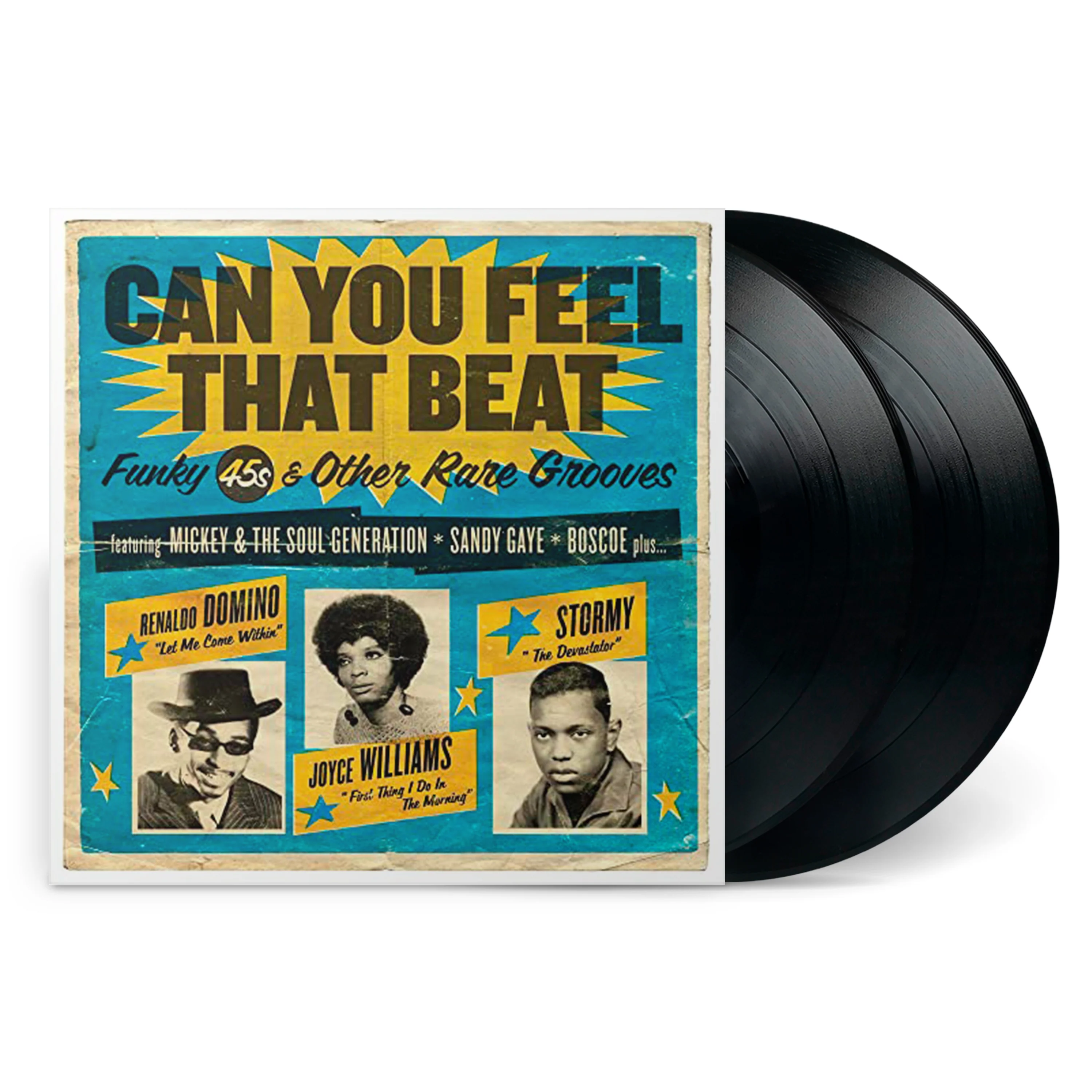
We open up with a slew of records that are in themselves dance floor classics. Mickey & the Soul Generation’s “Iron Leg”—an organ-based instrumental with a ferocious opening—was a rare groove that became one of the foundation stones for the acid jazz scene in the UK. Renaldo Domino’s “Let Me Come Within” is a later discovery. One of the Chicago based singer’s singles for Twinight—he also recorded for Smash and Blue Rock —it is unashamedly aimed for the floor. Sandy Gaye’s “Watch The Dog” is one of several songs that go by that name, none of them quite match this Richard Marx penned masterpiece. It was one of Gaye’s two shots at stardom, and although it didn’t reach, it is a worthy calling card. A similar point could be made about the Soul President’s “Get It Right,” one of Detroit’s finest funk records made for Ed McCoy’s Big Mack label.
In Miami, Clarence Reid and Little Beaver would find success in the 1970s as part of Henry Stone’s TK organization, which melded funk and early disco to world beating effect. Whilst they figured out how to reach the top, they made some stunning records on Saadia, Deep City, and a host of other labels. Our two pieces of Miami funk are both from the former label. Robert Moore went on to success with the group Miami, but his take “Everything’s Gonna Be Alright” may be his best record. Powell Dowdell takes on “Good Things” and funks up what was originally a hot slice of R&B by Frank Williams. Although not related to the mainstream of Floridian ’70s music, “Party Time” by Black Soul Express shows the confidence of the Sunshine state’s music scene in that decade.
The midwestern hub for the music industry was Chicago. Home to major label distribution, Chess, Vee-Jay, and a host of smaller outfits, it had been known as an outlet for the blues, but where black music was concerned always kept itself up to date. “The Devastator” by Stormy is cutting edge for its 1967 release, and Joyce Williams “First Thing I Do In The Morning,” recorded for Richard Pegue’s Nickel label is suitably sensuous. Andrew Brown’s “You Made Me Suffer” is blues in form, but funky as hell in reality. One of the ultimate collector’s pieces.
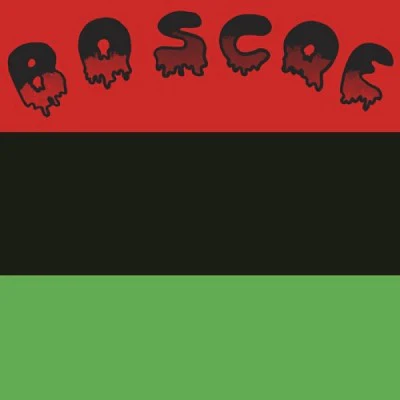
Also from Chicago were Boscoe, whose independently pressed album on Kingdom Of Chad mixed black power, Egyptology, and other powerful influences to create a potent and enticing brew. In a similar vein are 24-Carat Black. Their debut album, Ghetto: Misfortune’s Wealth was issued on Stax’s Enterprise label and was gobbled up by sample hungry producers. It’s equally excellent follow up languished for 35 years before being unleashed, including a sublime take on the Mad Lad’s “Gone! The Promises Of Yesterday.”
Over on the west coast, “Gimme Little Sign” hit-maker Brenton Wood put together a local super-group—featuring the exceptional Gail Anderson on vocals—to demo his latest composition “Strike.” Naming the band Union, the 197_single was released on Matt Hill’s Mesa label. This was part of a small empire that Hill had put together largely focused on managing his brother, bluesy soul singer Z.Z.
By the early ’70s, great funk records were being made all over the U.S. It could be the Young Senators recording in Washington DC for Innovations, or We The People in Phoenix working with the always-on-the- pulse Mighty Mike Lenaburg. It could be in the deep south, such as Louisiana-based guitarist and bandleader Clifton White who made a handful of great singles with his group the Royal Knights for ANLA and the brilliant “The Grade A” for PMRC, before giving up the funk for a career playing Zydeco.
Our numbers are completed by the excellent Young Disciples from St Louis and their rare groove classic “Crumbs From The Table,” and obscure and hard to find recordings by Creations Unlimited, Black Sunshine, and Duracha filling out that definition of funk. So to answer that original question, all you have to do is give a spin to the music in this package, then repeat. You may not know the answer, but you will certainly feel it.
So what is funk? It’s sometimes difficult to know. In the 1950s, the piano style of both Ray Charles and Horace Silver were described as funk, and the word itself has long associations with black music, going back even further into history. Clearly the success of James Brown at the tail end of the 1960s—say from “Cold Sweat” onwards—established the funk era, but the Godfather of super-heavy funk had already set out his stall with “Papa’s Got A Brand New Bag” and “I Got You (I Feel Good)” in 1965. At the same time a series of productions he recorded with Bobby Byrd, James Crawford, and others saw him slowly perfect his groove.
But he wasn’t working in a vacuum. In Memphis the studio group at Stax were creating a rhythmic template full of the funk—listen to Otis Redding’s “Sick Y’All” on the flip of “Try A Little Tenderness” or Rufus Thomas’ breakbeat friendly “Sophisticated Sissy” and there is no denying it. Whilst in Phoenix, Arizona, Arlester “Dyke” Christian and his Blazers proclaimed the word to the world when they hit with “Funky Broadway.”
All of these sources were influential, and by the end of the sixties every high school band was turning out covers of the biggest funk hits, whilst in towns across the US groups were forming using the instrumental template of the MG’s or the Meters—bass, drums, guitar and organ—to make their own creations. Established artists and record labels picked up on the trend also, adding the syncopated groove to their R&B to keep it contemporary. It was a glorious period which in today’s world is mined by collectors, DJs looking to fill a dance floor, and record producers looking for the perfect beat. This compilation reflects all of those different directions as we delve into the world of high quality and often super rare recordings that fill this release.
We open up with a slew of records that are in themselves dance floor classics. Mickey & the Soul Generation’s “Iron Leg”—an organ-based instrumental with a ferocious opening—was a rare groove that became one of the foundation stones for the acid jazz scene in the UK. Renaldo Domino’s “Let Me Come Within” is a later discovery. One of the Chicago based singer’s singles for Twinight—he also recorded for Smash and Blue Rock —it is unashamedly aimed for the floor. Sandy Gaye’s “Watch The Dog” is one of several songs that go by that name, none of them quite match this Richard Marx penned masterpiece. It was one of Gaye’s two shots at stardom, and although it didn’t reach, it is a worthy calling card. A similar point could be made about the Soul President’s “Get It Right,” one of Detroit’s finest funk records made for Ed McCoy’s Big Mack label.
In Miami, Clarence Reid and Little Beaver would find success in the 1970s as part of Henry Stone’s TK organization, which melded funk and early disco to world beating effect. Whilst they figured out how to reach the top, they made some stunning records on Saadia, Deep City, and a host of other labels. Our two pieces of Miami funk are both from the former label. Robert Moore went on to success with the group Miami, but his take “Everything’s Gonna Be Alright” may be his best record. Powell Dowdell takes on “Good Things” and funks up what was originally a hot slice of R&B by Frank Williams. Although not related to the mainstream of Floridian ’70s music, “Party Time” by Black Soul Express shows the confidence of the Sunshine state’s music scene in that decade.
The midwestern hub for the music industry was Chicago. Home to major label distribution, Chess, Vee-Jay, and a host of smaller outfits, it had been known as an outlet for the blues, but where black music was concerned always kept itself up to date. “The Devastator” by Stormy is cutting edge for its 1967 release, and Joyce Williams “First Thing I Do In The Morning,” recorded for Richard Pegue’s Nickel label is suitably sensuous. Andrew Brown’s “You Made Me Suffer” is blues in form, but funky as hell in reality. One of the ultimate collector’s pieces.
Also from Chicago were Boscoe, whose independently pressed album on Kingdom Of Chad mixed black power, Egyptology, and other powerful influences to create a potent and enticing brew. In a similar vein are 24-Carat Black. Their debut album, Ghetto: Misfortune’s Wealth was issued on Stax’s Enterprise label and was gobbled up by sample hungry producers. It’s equally excellent follow up languished for 35 years before being unleashed, including a sublime take on the Mad Lad’s “Gone! The Promises Of Yesterday.”
Over on the west coast, “Gimme Little Sign” hit-maker Brenton Wood put together a local super-group—featuring the exceptional Gail Anderson on vocals—to demo his latest composition “Strike.” Naming the band Union, the 197_single was released on Matt Hill’s Mesa label. This was part of a small empire that Hill had put together largely focused on managing his brother, bluesy soul singer Z.Z.
By the early ’70s, great funk records were being made all over the U.S. It could be the Young Senators recording in Washington DC for Innovations, or We The People in Phoenix working with the always-on-the- pulse Mighty Mike Lenaburg. It could be in the deep south, such as Louisiana-based guitarist and bandleader Clifton White who made a handful of great singles with his group the Royal Knights for ANLA and the brilliant “The Grade A” for PMRC, before giving up the funk for a career playing Zydeco.
Our numbers are completed by the excellent Young Disciples from St Louis and their rare groove classic “Crumbs From The Table,” and obscure and hard to find recordings by Creations Unlimited, Black Sunshine, and Duracha filling out that definition of funk. So to answer that original question, all you have to do is give a spin to the music in this package, then repeat. You may not know the answer, but you will certainly feel it.
Original: $10.00
-65%$10.00
$3.50Description
So what is funk? It’s sometimes difficult to know. In the 1950s, the piano style of both Ray Charles and Horace Silver were described as funk, and the word itself has long associations with black music, going back even further into history. Clearly the success of James Brown at the tail end of the 1960s—say from “Cold Sweat” onwards—established the funk era, but the Godfather of super-heavy funk had already set out his stall with “Papa’s Got A Brand New Bag” and “I Got You (I Feel Good)” in 1965. At the same time a series of productions he recorded with Bobby Byrd, James Crawford, and others saw him slowly perfect his groove.
But he wasn’t working in a vacuum. In Memphis the studio group at Stax were creating a rhythmic template full of the funk—listen to Otis Redding’s “Sick Y’All” on the flip of “Try A Little Tenderness” or Rufus Thomas’ breakbeat friendly “Sophisticated Sissy” and there is no denying it. Whilst in Phoenix, Arizona, Arlester “Dyke” Christian and his Blazers proclaimed the word to the world when they hit with “Funky Broadway.”
All of these sources were influential, and by the end of the sixties every high school band was turning out covers of the biggest funk hits, whilst in towns across the US groups were forming using the instrumental template of the MG’s or the Meters—bass, drums, guitar and organ—to make their own creations. Established artists and record labels picked up on the trend also, adding the syncopated groove to their R&B to keep it contemporary. It was a glorious period which in today’s world is mined by collectors, DJs looking to fill a dance floor, and record producers looking for the perfect beat. This compilation reflects all of those different directions as we delve into the world of high quality and often super rare recordings that fill this release.
We open up with a slew of records that are in themselves dance floor classics. Mickey & the Soul Generation’s “Iron Leg”—an organ-based instrumental with a ferocious opening—was a rare groove that became one of the foundation stones for the acid jazz scene in the UK. Renaldo Domino’s “Let Me Come Within” is a later discovery. One of the Chicago based singer’s singles for Twinight—he also recorded for Smash and Blue Rock —it is unashamedly aimed for the floor. Sandy Gaye’s “Watch The Dog” is one of several songs that go by that name, none of them quite match this Richard Marx penned masterpiece. It was one of Gaye’s two shots at stardom, and although it didn’t reach, it is a worthy calling card. A similar point could be made about the Soul President’s “Get It Right,” one of Detroit’s finest funk records made for Ed McCoy’s Big Mack label.
In Miami, Clarence Reid and Little Beaver would find success in the 1970s as part of Henry Stone’s TK organization, which melded funk and early disco to world beating effect. Whilst they figured out how to reach the top, they made some stunning records on Saadia, Deep City, and a host of other labels. Our two pieces of Miami funk are both from the former label. Robert Moore went on to success with the group Miami, but his take “Everything’s Gonna Be Alright” may be his best record. Powell Dowdell takes on “Good Things” and funks up what was originally a hot slice of R&B by Frank Williams. Although not related to the mainstream of Floridian ’70s music, “Party Time” by Black Soul Express shows the confidence of the Sunshine state’s music scene in that decade.
The midwestern hub for the music industry was Chicago. Home to major label distribution, Chess, Vee-Jay, and a host of smaller outfits, it had been known as an outlet for the blues, but where black music was concerned always kept itself up to date. “The Devastator” by Stormy is cutting edge for its 1967 release, and Joyce Williams “First Thing I Do In The Morning,” recorded for Richard Pegue’s Nickel label is suitably sensuous. Andrew Brown’s “You Made Me Suffer” is blues in form, but funky as hell in reality. One of the ultimate collector’s pieces.
Also from Chicago were Boscoe, whose independently pressed album on Kingdom Of Chad mixed black power, Egyptology, and other powerful influences to create a potent and enticing brew. In a similar vein are 24-Carat Black. Their debut album, Ghetto: Misfortune’s Wealth was issued on Stax’s Enterprise label and was gobbled up by sample hungry producers. It’s equally excellent follow up languished for 35 years before being unleashed, including a sublime take on the Mad Lad’s “Gone! The Promises Of Yesterday.”
Over on the west coast, “Gimme Little Sign” hit-maker Brenton Wood put together a local super-group—featuring the exceptional Gail Anderson on vocals—to demo his latest composition “Strike.” Naming the band Union, the 197_single was released on Matt Hill’s Mesa label. This was part of a small empire that Hill had put together largely focused on managing his brother, bluesy soul singer Z.Z.
By the early ’70s, great funk records were being made all over the U.S. It could be the Young Senators recording in Washington DC for Innovations, or We The People in Phoenix working with the always-on-the- pulse Mighty Mike Lenaburg. It could be in the deep south, such as Louisiana-based guitarist and bandleader Clifton White who made a handful of great singles with his group the Royal Knights for ANLA and the brilliant “The Grade A” for PMRC, before giving up the funk for a career playing Zydeco.
Our numbers are completed by the excellent Young Disciples from St Louis and their rare groove classic “Crumbs From The Table,” and obscure and hard to find recordings by Creations Unlimited, Black Sunshine, and Duracha filling out that definition of funk. So to answer that original question, all you have to do is give a spin to the music in this package, then repeat. You may not know the answer, but you will certainly feel it.